Every spring, once the clocks have gone forward and the new season is in full swing, London theatre pauses to celebrate itself. The Olivier Awards are the highlight of the West End calendar, the night when the industry gathers to honour the best work of the past year. If the Tonys are Broadway’s big night, the Oliviers are ours, and they are every bit as glamorous. Here is our guide to what they are, where they came from and why they matter.
What are the Olivier Awards?
The Laurence Olivier Awards are the most prestigious prizes in British theatre, presented each year by the Society of London Theatre. They recognise excellence across the London stage, from the long-running West End giants to the smaller subsidised and not-for-profit houses, and they cover drama, musicals, dance, opera and affiliate theatre alike. Winning one is the highest honour a London production, performer or creative can receive.
The awards began in 1976 as the Society of West End Theatre Awards. In 1984 they were renamed in honour of Laurence Olivier, one of the greatest actors of the twentieth century and the founding director of the National Theatre, who gave his blessing to the new name. They have carried his name ever since.
The night itself
For most of their recent history the Oliviers have been staged as a glittering ceremony at the Royal Albert Hall, with a red carpet, live performances from the season’s nominated musicals and the great and the good of British theatre packed into one room. The performances are often the real draw, giving audiences at home a taste of the shows currently lighting up the West End, and the ceremony is broadcast so that theatre lovers everywhere can follow along.
The trophy itself is a bronze bust of Laurence Olivier as he appeared in his celebrated 1937 performance of Henry V at the Old Vic. It is one of the more distinctive awards in show business, and a fixture on many a West End mantelpiece.
The categories that matter
There are more than twenty categories in all, but a handful draw the most attention each year:
- Best New Play and Best New Musical, the headline prizes for original work.
- Best Revival and Best Musical Revival, celebrating fresh takes on established pieces.
- Best Actor and Best Actress, along with their equivalents in a musical and the supporting categories.
- Best Director, Best Theatre Choreographer and the design awards for set, costume, lighting and sound.
There are also awards for dance, opera and affiliate theatre, so the night spans the full breadth of what London’s stages offer.
Record breakers
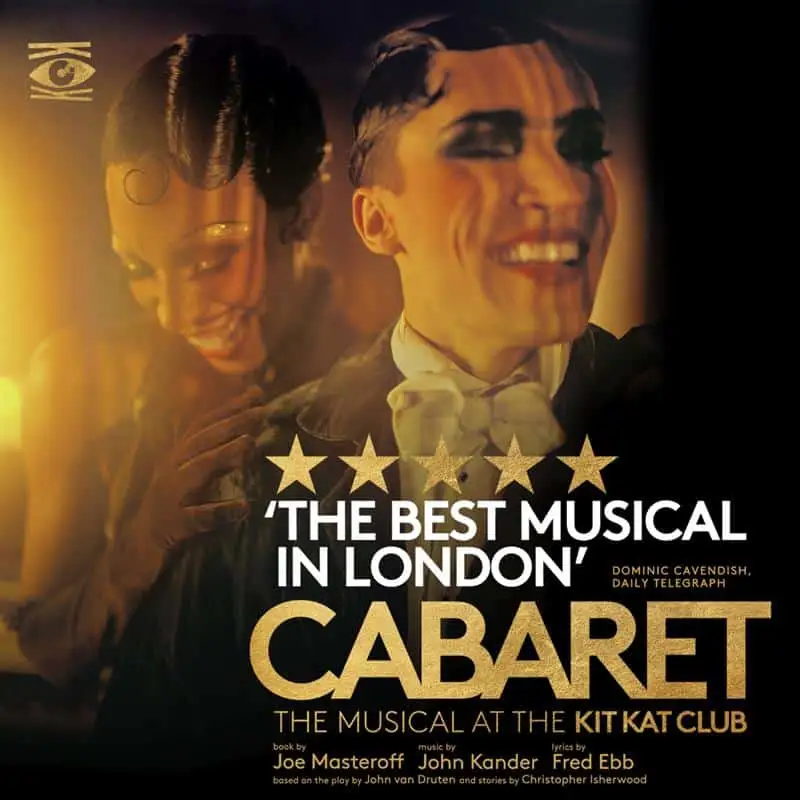
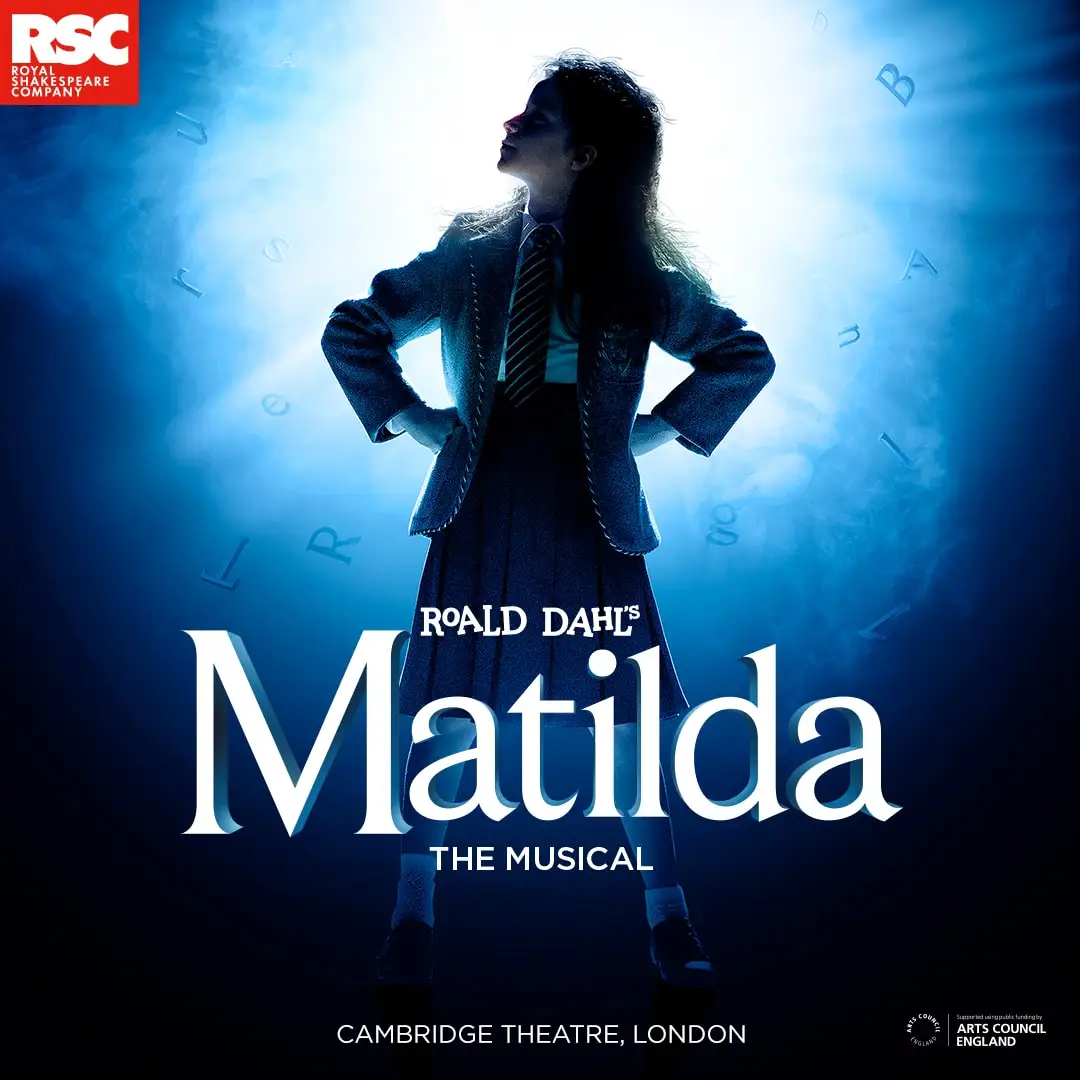
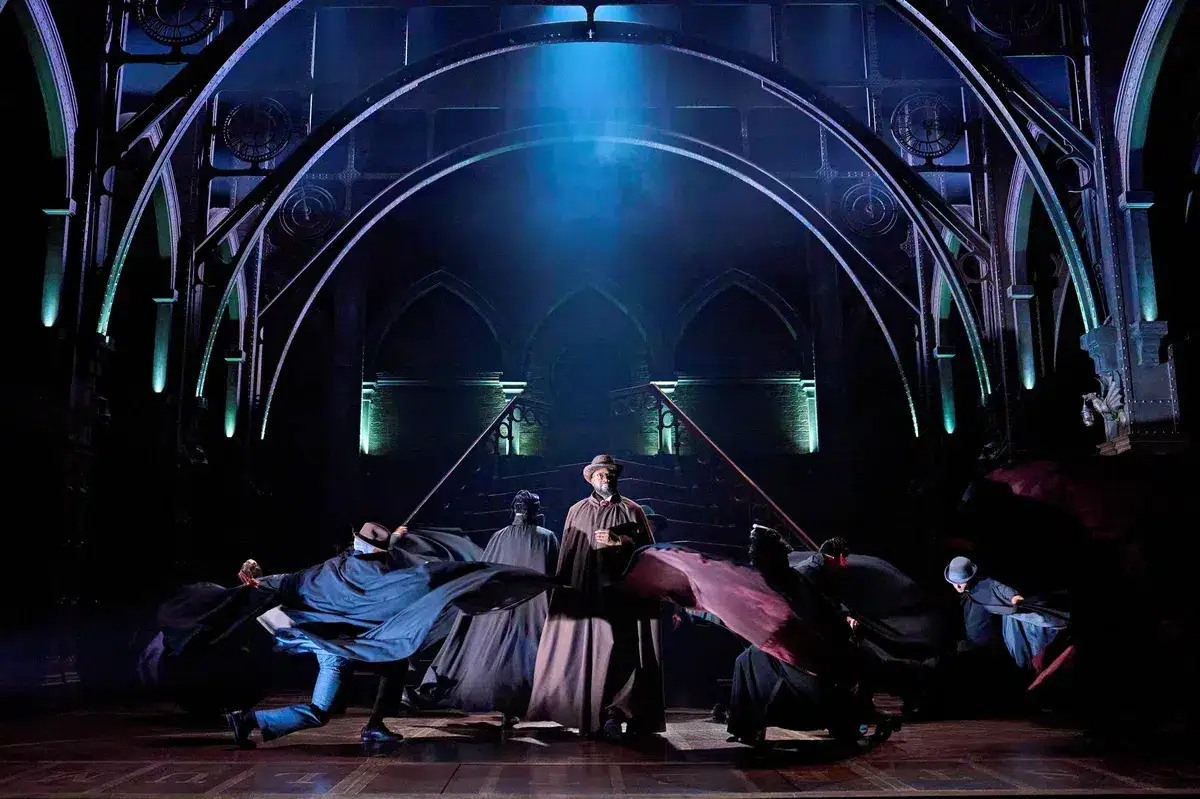
Some productions have swept the board in spectacular fashion. Harry Potter and the Cursed Child holds the record for a single ceremony, taking nine awards in 2017. Matilda the Musical won seven in 2012, Hamilton matched that haul in 2018, and the Kit Kat Club revival of Cabaret did the same in 2022. A big night at the Oliviers can define a show’s legacy and send ticket demand soaring.
Why the Oliviers matter
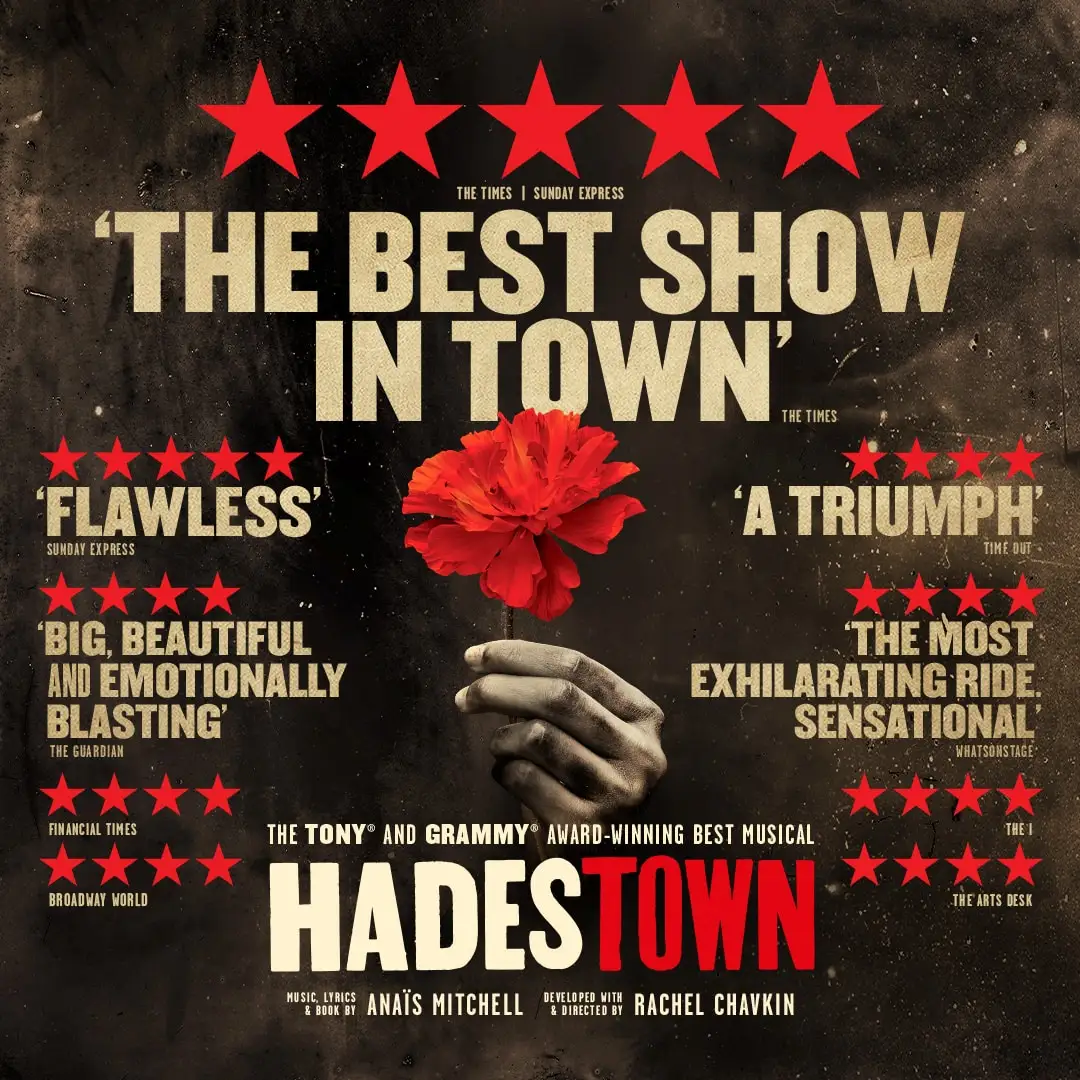
Beyond the glamour, the Oliviers are a genuine mark of quality. A win, or even a nomination, tells audiences that a production is among the very best London has to offer, and it often marks the moment a show becomes a must-see. Many of the titles honoured over the years are still running today, from the record-setting Cabaret and the acclaimed Hamilton to the homegrown hit Operation Mincemeat, so there is no better guide to what to book than the roll call of recent winners.
As another awards season comes around, it is worth remembering that every nominee is a show you can go and see for yourself. Browse everything that is on and book your seats on our shows page.